



Tag: indoor garden

VIBURNUM: PLANT, CROP, SIZE AND MAINTENANCE

A Beautiful Plant In The Garden: Viburnum

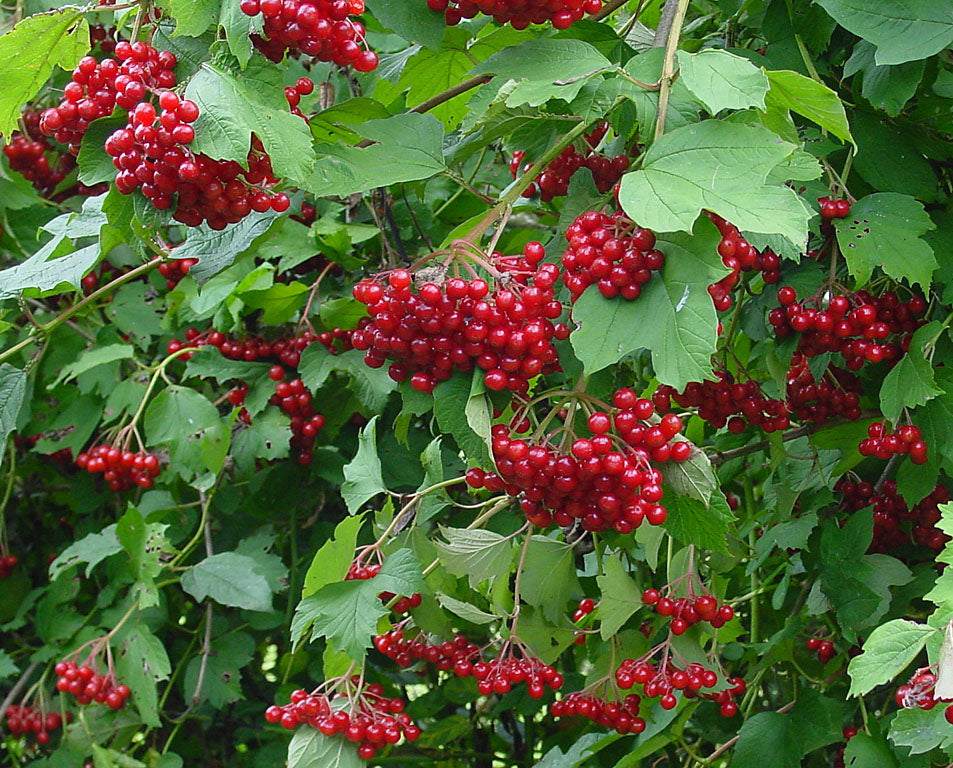
The Viburnum is perfect and has it all, a generous flowering with some decorative berries, and foliage with beautiful hues during the fall, and sometimes even persistent! It is a very interesting plant throughout the year.

Pleasant in any garden, the plant, Viburnum tinus (Laurier tin) is grown both in hedge and pot. It is true that viburnum plicatum can be planted as an isolated subject, and you can choose the Viburnum opulus (snowball or viburnum obier) particularly in massive. Thanks to its winter or spring bloom, Viburnum brighten up and forget the gloom and the gray of the winter! Offering an abundant bloom with soft shades, pink or white, the viburnum is appreciated for its appearance “snowball”.

Origin Of The Viburnum

The Latin name is Viburnum, it belongs to the family of adoxaceae. Its common name is viburnum. Its flowering is winter or spring, and the plant can grow from 1 to 5 m, it particularly likes a sunny or half shaded exposure. As for the soil, it can be cool, well-drained, fresh and humus. Resistant, it can tolerate temperatures up to minus 15 or minus 20 degrees for the majority of species and -10 ° C for viburnum tinus.

Viburnums are very decorative because of their delicate blossoms, foliage and colorful berries with beautiful hues in autumn. It is true that Viburnum are very popular because of their many assets! During the winter or spring season, they can decorate massive with their generous pink and white flowers. After flowering, you will see red, blue or black berries bringing a new attraction to the garden and attracting many birds. In autumn, sumptuous orange or red colors cover the deciduous species. For example, Viburnum opulus (Viburnum plicatum or viburnum lantana) are trimmed. For persistent species such as Viburnum tinus (or Laurier tin), Viburnum rhytidophyllum or Viburnum davidii, they keep their foliage and remain decorative during all winter! These beautiful plants so installed in hedges will constitute a screen plant preserving you from prying eyes during the bad season.

The Cultivation Of Viburnum

Viburnum is very easy to grow and requires little maintenance. The majority of these varieties are relatively hardy and will be able to enjoy half shade and sun. Developing in rich, well-drained and cool soils, viburnum can be adapted to any type of soil. The plant, however, prefers acidic soils. Viburnuopulus, Viburnum davidii and Viburnum tinus are particularly resistant to pollution, which is why viburnum can be planted in urban and polluted areas.

Size And Maintenance Of Viburnum 

When planting, it is important to fold viburnum to facilitate new ramifications. Also, the shrub cannot be totally bald at the foot. Next year, you will have to renew the operation if needed. You will be able to carry out a maintenance size, you must know that viburnum is very small. This plant is very easy to maintain. At first, you will be able to remove all the oldest rods to facilitate the renewal of the latter. And, in a second time, it will remove all the faded flowers, especially after flowering. Regarding the species with winter bloom, you will have to intervene in March.

Glycine: Plant, Crop, Size And Maintenance

Glycine, The Royal Climber

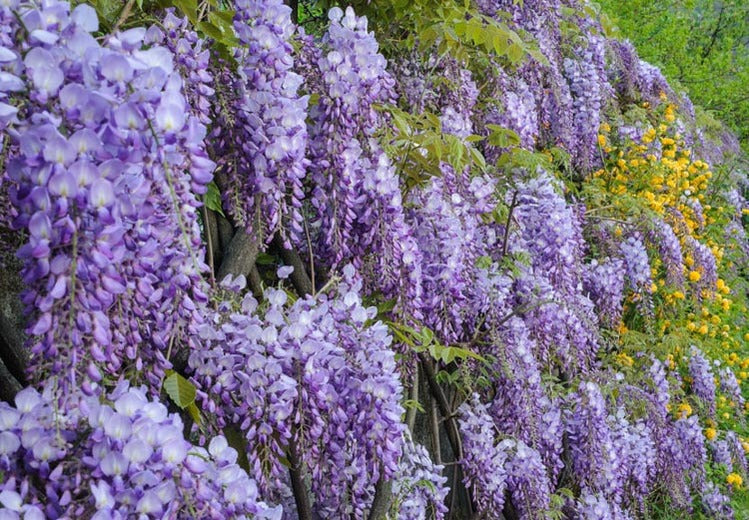
A wonderful climbing plant, glycine is very popular thanks to its generous and fragrant flowering.

Beautiful climbing and woody plant, wisteria is a classic plant in the heart of spectacular flowering gardens. This plant offers clusters of flowers measuring approximately 50 centimeters in length. Very decorative with its touch of romance, it can adorn pergolas, walls, and fences. It will also be possible to drive it on a rod to create an isolated subject in the heart of a lawn.

Origin Of The Plant

The plant whose botanical name is Wisteria belongs to the Fabaceae family. This beautiful climbing plant can measure between 5 and 15 meters high. Taking advantage of a sunny exposure, glycine can easily grow in ordinary soil. Belonging to the Leguminous or Fabaceae family, the genus Wisteria has about 10 species of climbing plants. They are all from the United States and Asia. The plant was brought to France in 1816. It is true that the fragrance of glycine is developed in perfumery, for the composition of different perfumes of large brands.

A little anecdote to emphasize is that the wisteria of Japan wraps easily on the support and also in the direction of clockwise. On the contrary, Chinese wisteria tends to curl in the opposite direction. Regarding the language of flowers, it should be noted that glycine indicates tenderness, and if presented in a bouquet, a friendship.

The Cultivation Of Glycine

For planting, it is advisable to plant it in the spring or fall. You will have prepared beforehand a mixture of potting soil, garden soil, and seaweed and manure type amendment. It is also possible to plant during the summer after watering regularly. It is advisable to avoid periods of high heat for planting. It is true that wisteria requires sun to grow and bloom abundantly. In addition, it is not useful to bring fertilizer because glycine does not require even to facilitate the development of the foliage.

To multiply glycine, it is necessary to know that the cuttings are easily feasible on the glycine, just as the technique of the marcottage. It is also possible to plant the seed of glycine in the heart of pods giving rise to a seedling. In addition, this technique proves to be quite long before seeing the appearance of the first flower, the wait can last between 10 and 15 years …

Size And Maintenance Of Glycine

The size of the glycine is relatively easy and can be done every year otherwise you will be quickly invaded. In fact, glycine tends to gain, throughout its growth, and little by little ground. Also, the size will be done during the period of vegetative rest, since the fall of the leaves and this, until the end of the winter.

It is really advisable not to trim wisteria during frosts. Indeed, at that moment, the flowers appear directly on the stems of the past years. Also, you only need to prune the new shoots of the year in order to facilitate the flowering of the next season. During the winter season, you will have to cut the side shoots and leave only one or two eyes. Then, leave the main branch and then cut short all the stems starting from this branch. Do not forget to remove all the faded flowers, they have toxic seeds.

40 Great Indoor Plants You Can Grow With Zero Effort

While we all are familiar with what wonders the plant-based diet does for our bodies, few are aware of the fact that plants can improve your overall health just by being inside your rooms in your house and not just for decoration. In 1989, research by NASA proved that certain indoor plants can improve the air quality in a home by absorbing chemicals such as benzene, formaldehyde, and trichloroethylene, therefore, acting as natural air purifiers.

Moreover, a study has shown that indoor plants have positive effects on mental health as well by reducing stress, improving your blood sugar levels, etc. Common houseplants are usually succulents, cacti, and tropical or semi-tropical epiphytes.

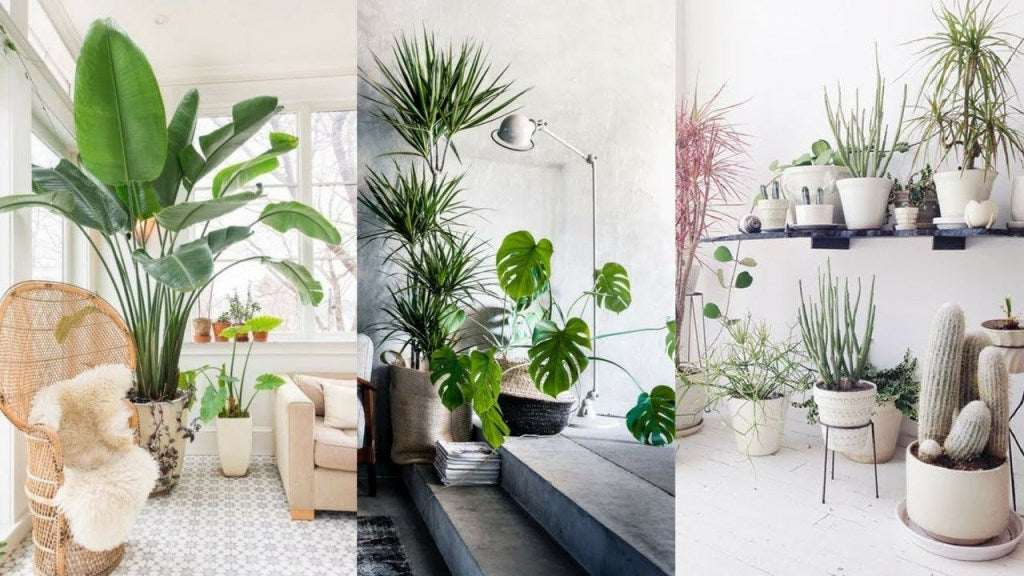
So here’s the wide list of 40 indoor plants that you could add in your space; home or office for a little dose of zen.

1) Aloe Vera: They have numerous healing properties. Not only known to alleviate cuts and burns but also to detect the air quality in the environment. If the air is polluted with toxins and harmful chemicals, the plants’ leaves will show up brown spots. Aloe Vera also absorbs airborne particles from paints or cleaning agents. Moreover, they come in handy for your food and drink recipes. 


2) English Ivy: This is good for purifying the air indoors, absorbing a large portion of the airborne mold. Ivies prefer dry soil and bright sunlight. So keep it somewhere bright and sunny.


3) Spider Plant: In summers, the spider plants produce tiny white baby spider plants, on its long stems called “pups”. You can re-pot these pups and keep at well-lit spots for added greenery. They are commonly known for their air-purifying capabilities, although in large quantities spider plants should be planted to reap its true benefits.


4) Jade Plant: They are an interesting succulent plant which has unique bush-like structure. These don’t require a lot of suns and in too much sunlight, they develop a red or yellowish tint. Also, jade plants need very less water throughout the season. 


5) Pothos Plant: One of the most common and popular houseplants, also known as ‘devil’s ivy’ due to its exceptional hardiness and the belief that it is nearly impossible to kill. Pothos can be grown as a suspension plant, as the leaves will grow down in long cascading vines. They make in the list of NASA for its ability to absorb formaldehyde from the air and toxins from carpets/rugs.  Like a lot of other indoor plants, these can thrive in a wide variety of lighting. 


6) Peace Lily: This is a wonderful low maintenance flower to keep in a home which does not get a lot of natural light. As found by NASA, this is known to breakdown and absorb compounds like; carbon monoxide, formaldehyde, and benzene from the air. Peace lilies prefer shades and cooler temperatures. 

7) Chinese Money Plant: This bright green colored, pancake-shaped leaves with straight stems plant is easy to care household plant. Chinese Money plant does not require direct sun but prefers warm temperatures with adequate well-draining watering pots. You could propagate the little offshoots that rise from the base of the plant and spread them for more green corners in your apartment.


8) Snake Plant: They are very common, low maintenance house plant is known to purify and eliminate toxins like; xylene, toluene, and trichloroethylene from the air in your home. Snake plants can withstand any environmental conditions, considered exceptionally hardy as well as, indestructible by many; they require indirect sunlight and irregular watering. 


9) Rubber Tree: The tall, glossy Rubber trees can take a lot of neglect, absorb much more toxins from the air than any other plant; then converting them into nutrients for the plant or compounds for the soil. They love bright, well-lit, and high humid areas. These can grow up to 8-foot, add in your office or living room for a major pop of green in the room; for short length prune the longer stems and shape it as you like. 


10) Boston Fern: The tropical Boston ferns are powerful toxin eliminators and are easy-to-care-for. These eliminate compounds like; formaldehyde, cigarette smokes from the air, plastic particles, etc. the gorgeous fern needs bright filtered light and damp high nutrient soil. 

11) Mass Cane: Also known as, “corn plant” this ranks number one in NASA’s experiment in removing formaldehyde. It is low maintenance and slow-growing plant grows most healthy in well-lit areas. 


12) Chinese Water Bamboo: Or the “lucky bamboo plant” doesn’t really need soil to grow, only now and then changing the water is sufficient for this beauty. Direct sunlight or hot temperature may harm the plant, hence cooler and bright areas are favorable. They are found in a variety of types like the spiral, tree, trellis, bunch, etc adding these will give feng shui and Zen vibe to your place. This bamboo has been a significant part of Chinese culture for thousands of years but its popularity has touched heights all over the world for last 15 years. 

13) Fiddle Leaf Fig Tree: Fiddle leaf figs makes a beautiful, tall indoor tree which has broad, dark-green waxy leaves brightening up your room corners. These hardy tropical plant can grow up to 50 feet tall and is best for less floor space and high ceilings. They require bright light and only need to be watered when the soil is dry to touch.


14) Heartleaf Philodendron: Tiny heart-shaped bushy philodendron is a popular indoor plant for many years as they are easy-to-care-for that needs indirect sun and damp soil. You can put them in hanging pots or trellis because they grow into beautiful decorative vines. As Ivies, these are great in absorbing xylene.


15) Bamboo Palm: They have made on to the list of NASA as one of the best air- purifying plants, having a purifying score of 8.4. The attractive Palm is known to absorb trichloroethylene and benzene then converting them into compounds that are utilized by the plant for nutrients. 

16) Red-Edged Dracaena: This gorgeous Dracaena can grow up to 15 foot tall, removing pollutants like; xylene, trichloroethylene, and formaldehyde. Prefers bright sunlight and moist soil. 


17) Oxalis: One of the most vibrant colored Brazilian household plant. They prefer quite a few hours of direct sunlight in a day and normally sprout within a week. Their color ranges from violet to crimson.


18) Cacti: Very popular, low maintenance and non-fussy plant that we all know requires less water and care. Too much sunlight might bleach your cactus so consider keeping them in bright indirect light. They blend into a variety of homestyle/offices and enhance its aesthetics. 


19) Dragon Tree: Dragon tree is low-maintenance, fast growing and great for corners office plants. They grow strongest in bright indirect light and moderate temperature like any other house plant. Water it only after the soil is dry.

20) ZZ Plant: Zamioculcas Zamiifolia produces brilliant bright-green leaves with tall stems. These hardy plants are easy to maintain and need less fertilizer and brightlyt lit spaces.


21) Paddle Plant: These non-fussy, low care succulent can bear some direct as well as indirect sunlight. Paddle plants do well in a dry environment and hence, prefer soil more on the drier side. In too much sun, they might develop reddish tinge on their leaves. 


22) The string of Pearls: This amazingly unique indoor plant will definitely amp up any space. This beautiful Senecio rowleyanus is best for hanging planters, preferably in bright spaces but not sunlight, they produce a delicate chain of round beads that overflows the pot. They prefer soil more on the drier side.


23) Dieffenbachia: This pretty tropical-looking plant can grow up to 6 feet long, they love normal room temperature and don’t do well in cold. They prefer low indirect shade, try keeping the soil evenly moist.


24) Weeping Fig Ficus Tree: Weeping fig has shiny leaves and could be grown as a tiny topiary. It loves full sunlight or at least bright, filtered light, prefers several days of dry soil in between watering. 


25) Peperomia: Peperomias are small, often with colorful leaves and easy-to-manage plants, some of these varieties include; watermelon, red-edge and ripple peperomias. They have shiny, textured leaves and prefer room temperatures with low-level lighting conditions.


26) Shamrock Plant: They have bright green leaves and grow small, sweet-smelling white flowers on its tall stems. This indoor plant loves bright indirect sunlight.


27) Areca Palm: This tropical plant can grow up to 7-feet tall and prefer indirect light. Need to keep the soil fairly dry.


28) Silver Dollar Plant: Xerosicyos danguyi drought-tolerant succulents need planters with good drainage. Xerosicyos are actually a climbing succulent so leave a little headroom wherever you display them! They love spaces with direct sunlight is best.


29) Tillandsia: Succulents of Tillandsia family are some of the easiest to care for, very low maintenance plants. Besides occasional misting, they’ll take all the water they need from the humidity in the air. Another benefit is its lack of root system, so you can be creative with this plant and make wonderful arrangements like sea urchin shell planters and hang them to amp up any room.

30) Donkey Tail Plant: Sedum morganianum or Donkey Tail Plant is a wonderfully unique flowering succulent that loves bright direct light but not extreme heat, and require regular watering in hot weather but too much watering can harm during its dormant winter stage. 


31) Prayer Plant: These plants look like a work of art. Maranta leuconeura has leaves with red veins that makes them a great accent for interiors that need a little color. The leaves actually rise and contract in the day-night cycle, quite interesting to watch as the day progresses. This folding effect is how it gained the common name of “prayer plant”. Like many low-maintenance plants, these simply need indirect light and even a lot of moisture.


32) Calathea Orbifolia: Smooth streaks of white stand out against the vivid green leaves of the Calathea orbifolia, like an art. These plants are a little tricky to care for compared to other indoor plants. Moist soil, good drainage, and low but reliable lighting conditions are a great to start with.


33) Elephant Ears Plant: Colocasia gigantea is another big and wide-leafed plant for interiors that need a good amount of bright light. In some Asian countries, including Japan and parts of Vietnam, the stalk is a popular ingredient in meals in the regional cuisines. They are a little tricky to grow indoors but quite worthwhile, needs indirect sunlight and considerably high humid regions.


34) Giant White Bird of Paradise: This statement plant can grow up to 20 feet tall in ideal conditions. Strelitzia Nicolai loves bright sunlight, damp soil and needs the change of fertilizer monthly to grow its best.

35) Hawaiian Umbrella Tree Bonsai: Plant enthusiasts will love this versatile and attractive tree, officially known as Schefflera arboricola. Even better, they stand up wonderfully to a variety of lighting conditions and watering routines. You can let your umbrella tree grow naturally or trim it into a desired shape. Let it grow tall, or restrict to a small planter as your needs.


36) Grafted Ficus Bonsai: Ficus micro-carpa “Ginseng” is very forgiving, easily tolerating conditions ranging from low to bright light (but not direct sunlight) and can live through irregular watering for the most part. They are a wonderful addition to any office environment.


37) Anthurium: This plant is very popular for its long-lasting, eye-catching red blooms. These waxy red flower plant needs indirect sunlight and prefers dry to slightly moist soil.


38) Guinea Chestnut: This beauty is native of swamp forest and features a beautiful braided trunk. It is more commonly known as a money tree, Pachira aquatica prefers a spot with bright, indirect light and frequent watering.


39) Lemon Button Fern: Nephrolepis cordifolia fern is a native to Asia, Australia and Hawaii. Like many ferns, it poses no danger to pets. These are easy to grow and low on maintenance. 

40) Yucca: Yucca Gigantea, is a species that is native to Costa Rica, El Salvador, Guatemala, Honduras, Nicaragua and the eastern part of Mexico. The secret to keeping your yucca is easy: Sun, sun, and more sun. Water sparingly and plant in a deep container to prevent the top-heavy woody stems from toppling over.


Growing indoor plants hydroponically can be very simple. If you do not have the time to grow plants but you want greens indoors, this is one of the best method for beginners. Watering and nutrient measurement can be fine-tuned to suit your plant. All the above plants can be grown with zero effort with a herboponics smart garden. You can grow a wide variety of plants hydroponically indoors ranging from decor plants to edible herbs! Giving you a choice to grow lettuce to basil in your kitchen itself. The commercially available nutrient solution gives almost foolproof feeding to your plant. Technology has reduced a lot of assumptions and has automated uses to save your valuable time and effort.